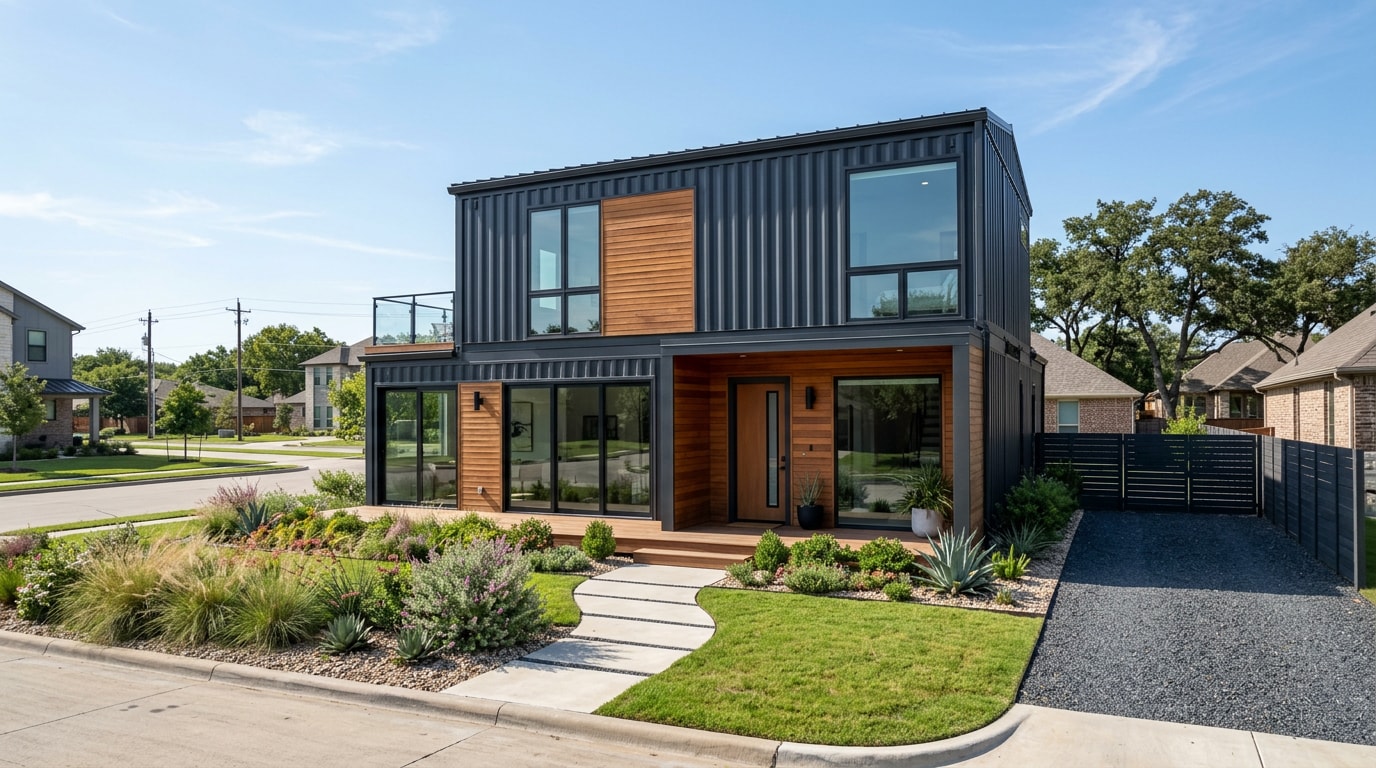
Shipping container home builders in Allen, TX are fielding more calls every year from homeowners chasing a faster, steel-framed alternative to stick-built construction. Before you sign with anyone, you need real numbers on local permitting, cost per square foot, and financing, not a generic statewide estimate. This guide breaks down what actually applies inside Allen and Collin County in 2026, starting with the rule that trips up the most buyers.
Are Shipping Container Homes Legal in Allen, TX?
Container homes are legal in Texas. There's no statewide ban. But legality on paper and approval in practice are two different questions, and the gap between them is where most projects stall.
Allen enforces its own building code cycle on top of state law. Allen City Council approved adoption of the 2024 International Code Council Building Codes on July 28, 2026, effective September 26, 2026, and all permit applications received on or after that date are reviewed for compliance with the new codes. That means a container home plan drafted under the older code earlier this year may need updated engineering before it can be submitted.
Properties outside Allen's city limits fall under Collin County permitting instead, which runs on a different review process and timeline. Confirm which jurisdiction governs your lot before you hire anyone or order a container.
Zoning Permissiveness Varies More Than People Expect
Rural, unincorporated parcels generally see lighter design review than lots inside Allen's city limits. Incorporated areas like Allen apply stricter setback rules, exterior-finish standards, and site plan requirements than you'd find on raw county land.
Here's the part many buyers miss: even where zoning is lenient, HOA deed restrictions are often the real obstacle. A subdivision's covenants can block container construction outright regardless of what the city or county allows, so check those documents before assuming a property qualifies.
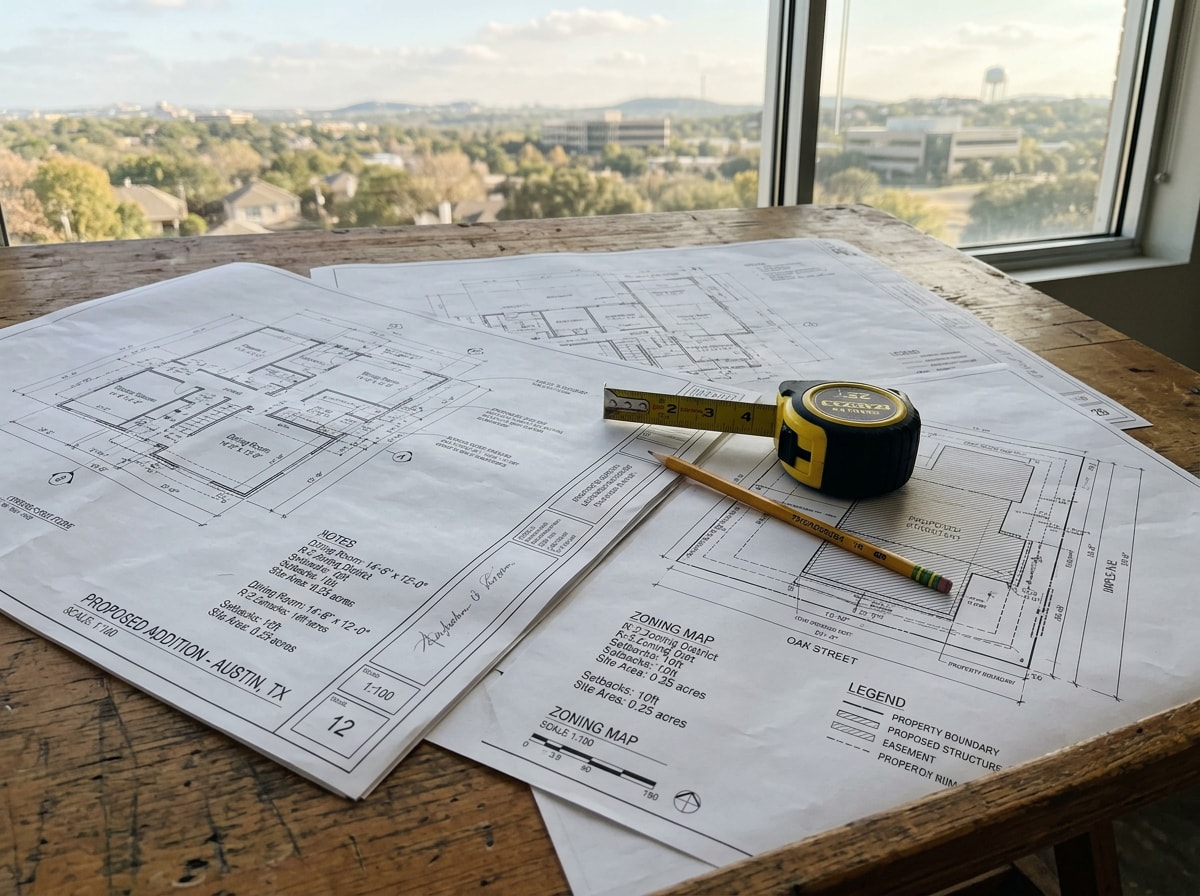
For area-specific guidance, see our Allen, TX service area page, or get in touch directly to confirm what applies to your lot.
What a Shipping Container Home Costs in Allen, TX (2026)
Container home pricing in Texas swings widely because labor, permitting, finish level, and container count all move the number dramatically. DFW-area costs also tend to run higher than rural or coastal Texas estimates.
| Build Type | Cost Per Sq Ft | Typical Total | Notes |
|---|---|---|---|
| Prefab single-container shell | $90–$150 | $25K–$45K | Minimal finish-out, DIY interior |
| Prefab multi-container (2–3 units) | $120–$180 | $80K–$150K | Semi-custom layout |
| Custom single-container, finished | $150–$220 | $45K–$90K | Full HVAC, plumbing, electrical |
| Custom multi-container, turnkey (Allen/DFW) | $180–$280 | $150K–$250K+ | Higher local labor + permit costs vs. statewide average |
These are planning-stage ranges, not quotes, and they vary by source. Cost-tracking data for the broader Dallas market shows a typical range of roughly $11,699 to $97,496 for simpler shipping container houses, with some large manufacturer builds reaching $250,000. A fully custom, multi-container turnkey home in Allen will usually land toward the top of that spread or above it, once local labor rates and permitting review are factored in.
Custom versus prefab pricing comes down to design flexibility. Prefab gets you a faster timeline; custom lets you adapt the layout but adds architect and engineering fees on top.
Financing a Container Home in Allen
Financing typically falls into three buckets: personal loans, chattel (RV-style) loans, and construction-to-permanent loans. Each carries different tradeoffs in rate, term, and how the lender treats the structure.
Most traditional mortgage lenders still require the home to meet modular or IRC-compliant certification before underwriting a standard loan. An engineer-stamped, code-compliant build is often necessary just to qualify for financing, not only for permitting. For background on how factory-built and alternative construction gets evaluated for financing purposes, HUD's manufactured housing homeowner resources page is a useful starting point before approaching a local lender.
A construction loan that converts to a permanent mortgage tends to work best for custom builds with full engineering plans already in hand.
From Box to Home: The Build Sequence
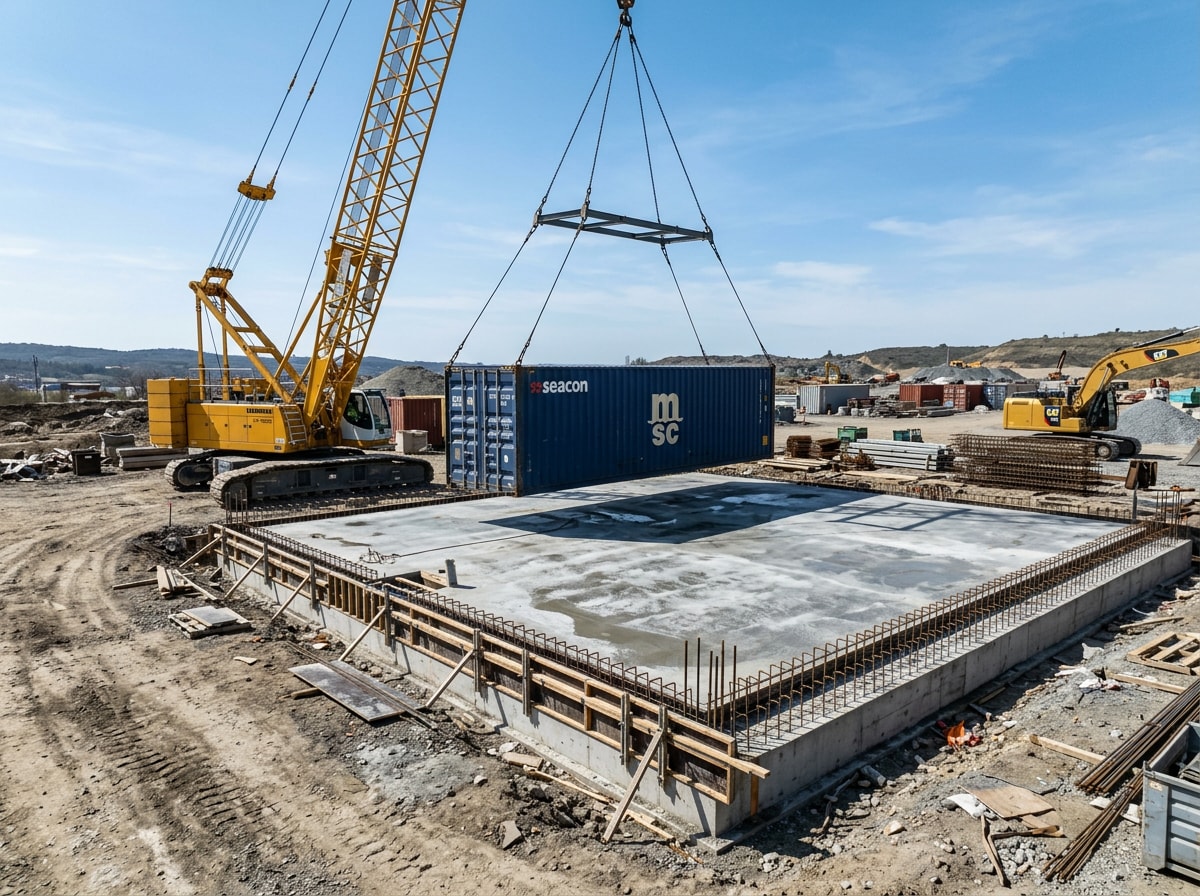
Building a container home follows a fairly consistent sequence: select and inspect the container, finalize engineered design, prep the foundation, then move into insulation and interior finish-out. Understanding this sequence before contacting a builder helps you ask sharper questions during the bidding process.
Skipping steps, particularly engineering review, is the most common reason permits get delayed or rejected.
Choosing the Right Container
Not every shipping container is suitable for living space. Container grade is the single biggest factor in long-term structural soundness. Builders generally look for "one-trip" containers (used once, minimal wear) or certified "cargo-worthy" units, which meet stricter standards than units sold as scrap or storage.
Check for rust-through, floor damage, and chemical treatment on the original wood flooring. Many containers ship with marine plywood floors treated with pesticides unsuitable for residential interiors, so that flooring usually gets replaced rather than reused.
Design With an Architect and Engineer
A licensed structural engineer should review any plan involving wall cutouts, window openings, or multi-container stacking before you submit for permitting. Cutting into a container's steel walls removes structural integrity the engineer has to compensate for elsewhere in the design.
Across our general contracting projects throughout Allen and the surrounding Collin County area, the plans that move fastest through the city's permit review are the ones that arrive with a PE-stamped structural drawing set already attached. Incomplete engineering is the single most common delay we see on non-traditional builds. Pairing an architect for layout with a structural engineer for the stamp is standard practice.
Insulation, Heat, and Condensation in North Texas
Bare steel performs poorly in North Texas heat and humidity. It conducts outdoor temperature swings directly into the living space and creates condensation on interior walls when warm, moist air meets cooler steel. Left unaddressed, that condensation leads to rust and mold inside wall cavities.
Spray foam insulation is the most common fix because it seals tightly against the steel and adds an air barrier that limits condensation risk. Rigid foam board is a lower-cost alternative but requires careful seam sealing to perform comparably. Check ENERGY STAR's recommended insulation R-values for your climate zone before finalizing an insulation plan, since Allen's hot-humid zone calls for different specs than cooler parts of the state.
How to Vet Shipping Container Home Builders Serving Allen, TX
Look for a licensed builder with in-house or contracted engineering, a documented portfolio of completed Texas builds, and direct experience permitting with Allen or Collin County authorities. A builder who's never worked with your local permit office faces a steeper learning curve, and you'll likely absorb the delay in your timeline.
Before signing anything, confirm:
- Active contractor license and liability insurance, verified independently, not just taken on their word
- A written warranty covering structural work, not just finish items
- References from completed North Texas projects, not renderings or out-of-state work
- A clear permitting track record with Allen or Collin County specifically
DIY vs. Hiring a Licensed Builder
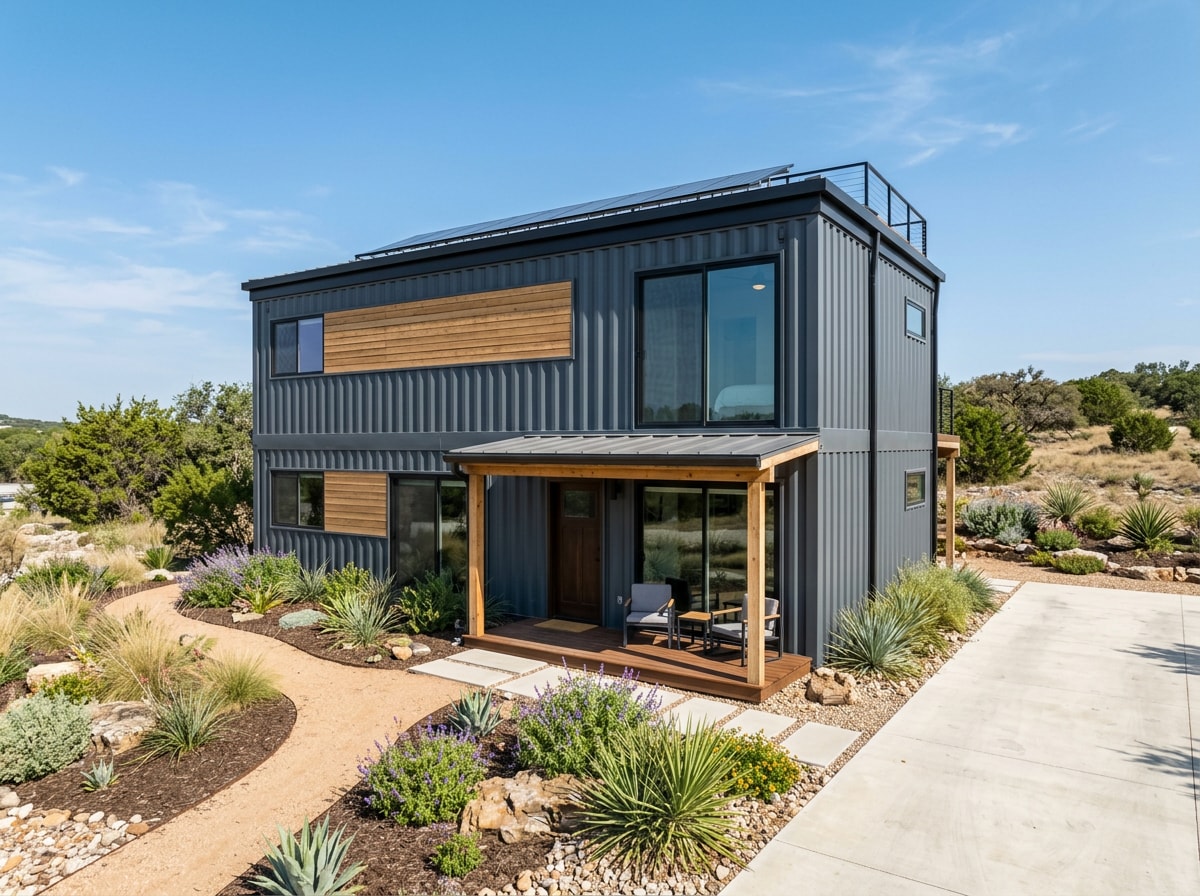
Hiring a licensed builder speeds up the timeline, provides code-compliance accountability, and usually includes a structural warranty. The tradeoff is cost: a managed build typically runs higher than owner-managed assembly.
Owner-builders save on labor markup but take on engineering coordination and permit navigation themselves. For most first-time container home buyers, the warranty and compliance assurance outweigh the added cost.
If your project also involves structural steel framing beyond the container shell itself, it's worth comparing notes with a dedicated steel framing contractor before finalizing your build team. For the framing, remodeling, and finish-out side of a project, our General Contractor services and Home Renovation Consultation page outline how we support non-traditional builds from design through final inspection. You can also browse completed regional work on our Projects page.
Ready to talk through your lot, your budget, and your timeline? Get a free estimate and we'll walk you through what Allen's current permitting process means for your specific project.
FAQ
Are Shipping Container Homes Legal in Allen, TX?
Yes, container homes are legal statewide in Texas. Approval depends on Allen's building code requirements and, if your lot sits outside city limits, Collin County permitting rules. HOA deed restrictions in your subdivision may impose additional limits beyond what the city or county allows.
Do Container Homes in Allen Require a Permit?
Yes. Allen requires building permits for container homes, and applications are now reviewed against the 2024 ICC code cycle the city adopted effective September 26, 2026. You'll typically need engineer-stamped foundation and structural documentation before a permit is approved.
How Much Does a Shipping Container Home Cost in Allen, TX?
Costs range from about $25,000 for a basic prefab shell to $250,000 or more for a custom, multi-container turnkey home in the Allen/DFW area. See the cost table above for a full per-square-foot breakdown by build type.
Can I Finance a Container Home in Texas?
Yes. Options include personal loans, chattel (RV-style) loans, and construction-to-permanent loans. Conventional mortgage lenders generally require modular or IRC-compliant certification before approving financing.
Is a Container Home Cheaper Than a Traditional House?
Often, yes, especially for simpler single-container builds, but the gap narrows fast once you add full custom finish-out, multiple containers, and DFW-area labor and permitting costs. A fully turnkey custom container home can approach or match the per-square-foot cost of conventional construction.
What Size Shipping Container Is Best for a Home?
Most residential builds use 20-foot or 40-foot high-cube containers because the extra interior height (about 9.5 feet versus 8.5 feet) makes room for insulation, framing, and finished ceilings without feeling cramped. Multi-container layouts combine two or three units for larger floor plans.
How Long Do Container Homes Last?
Well-maintained container homes can last 25 years or longer, similar to other steel structures. Inland locations like Allen face less corrosion risk than coastal Texas, though proper insulation and moisture control remain essential for longevity.
About This Guide
This guide was prepared by the licensed general contracting team at OKI General Contractors, who work on non-traditional and remodeling builds across Allen, Frisco, Plano, McKinney, Prosper, and the greater Dallas-Fort Worth area. For questions specific to your property, contact our team directly.