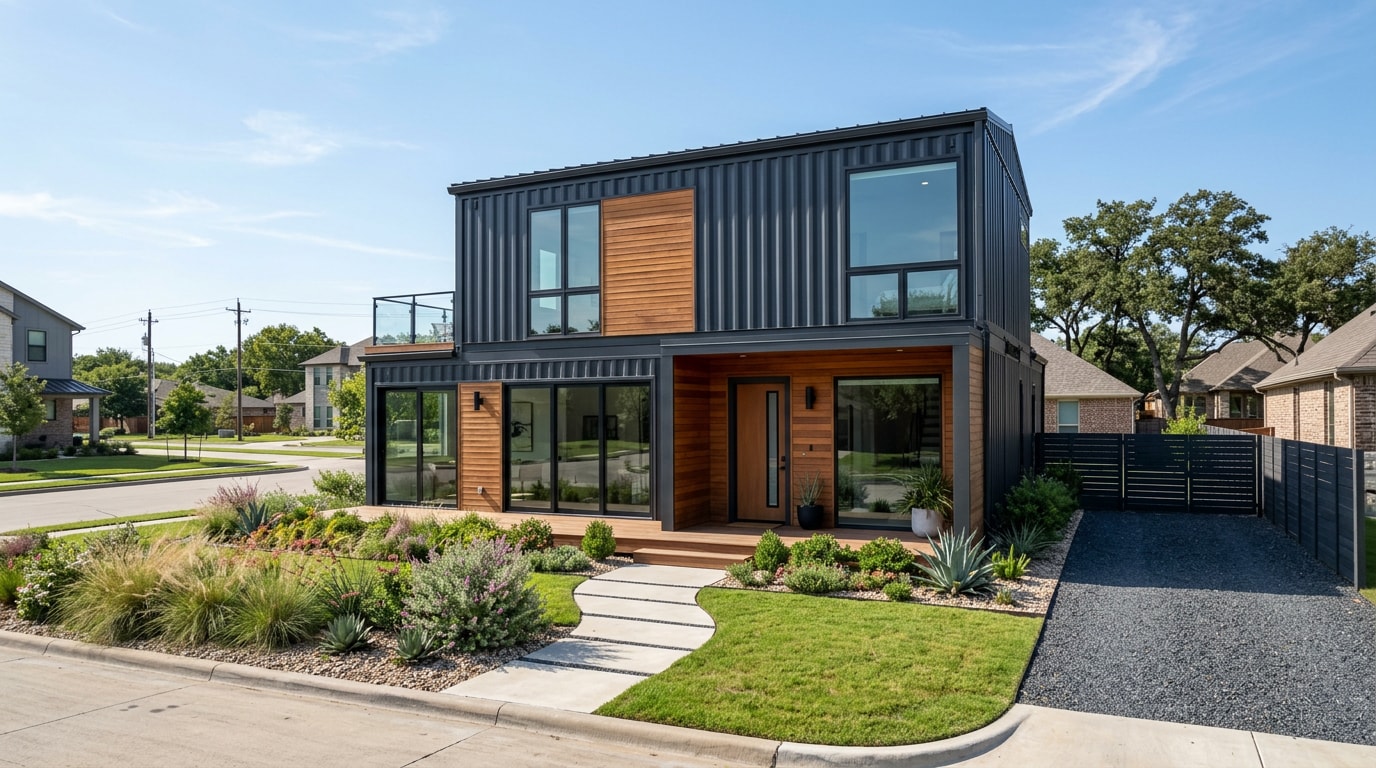
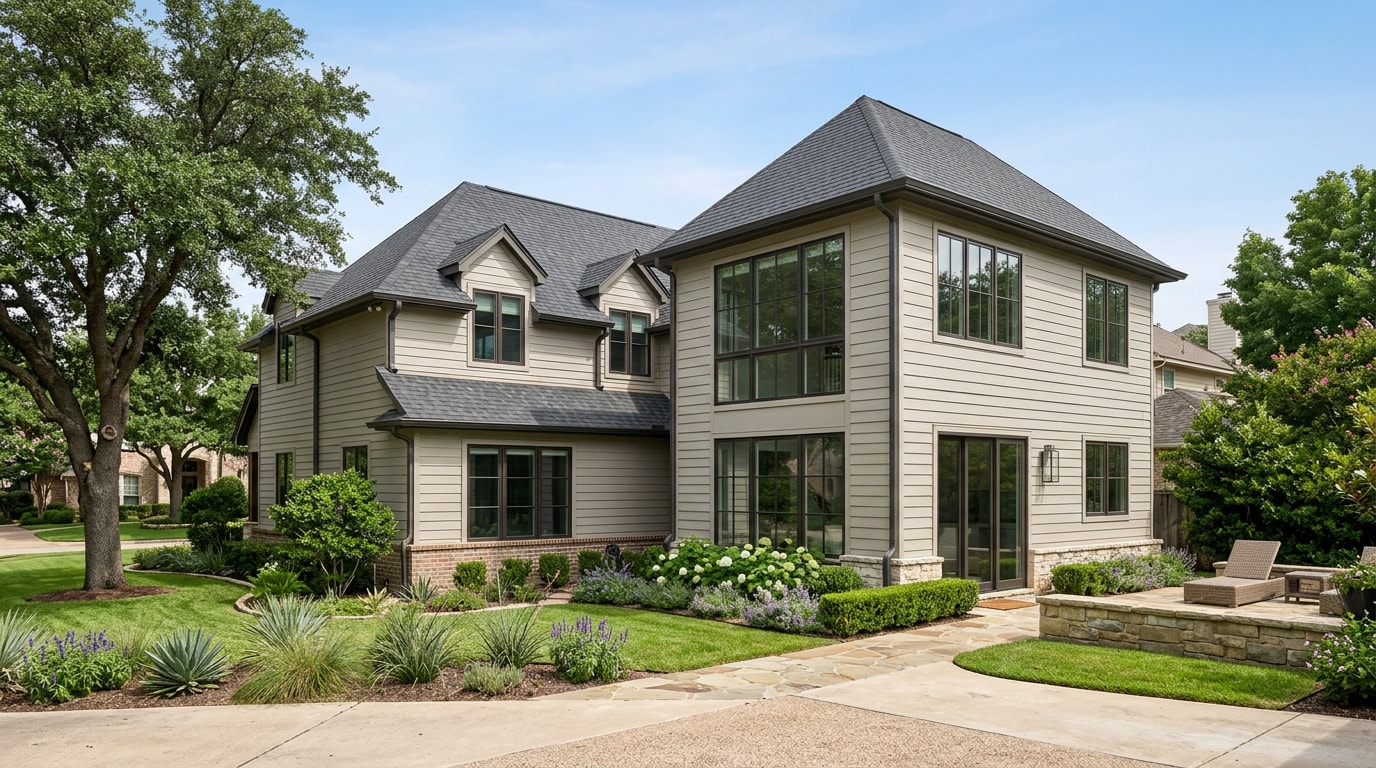
Frisco homeowners planning luxury home additions in Frisco, TX usually want three things fast: which addition type fits their lot, what permitting and budgeting actually look like, and what a high-end result should feel like. This guide answers all three in the order most homeowners search for them, so you can walk into a contractor consultation already informed.
Types of Luxury Home Additions for Frisco Homes
Not every addition solves the same problem, and Frisco's mix of tight infill lots and sprawling master-planned communities means the "right" addition type varies block by block.
The three most-requested categories are:
- Second-story additions — build up when you can't build out
- Primary suite and bump-out additions — add a spa-style retreat or extra living space
- Garage or basement conversions — repurpose existing footprint without touching the roofline
Each comes with its own structural requirements, timeline, and HOA review path. The sections below break down what to expect from each.
Second-Story Additions
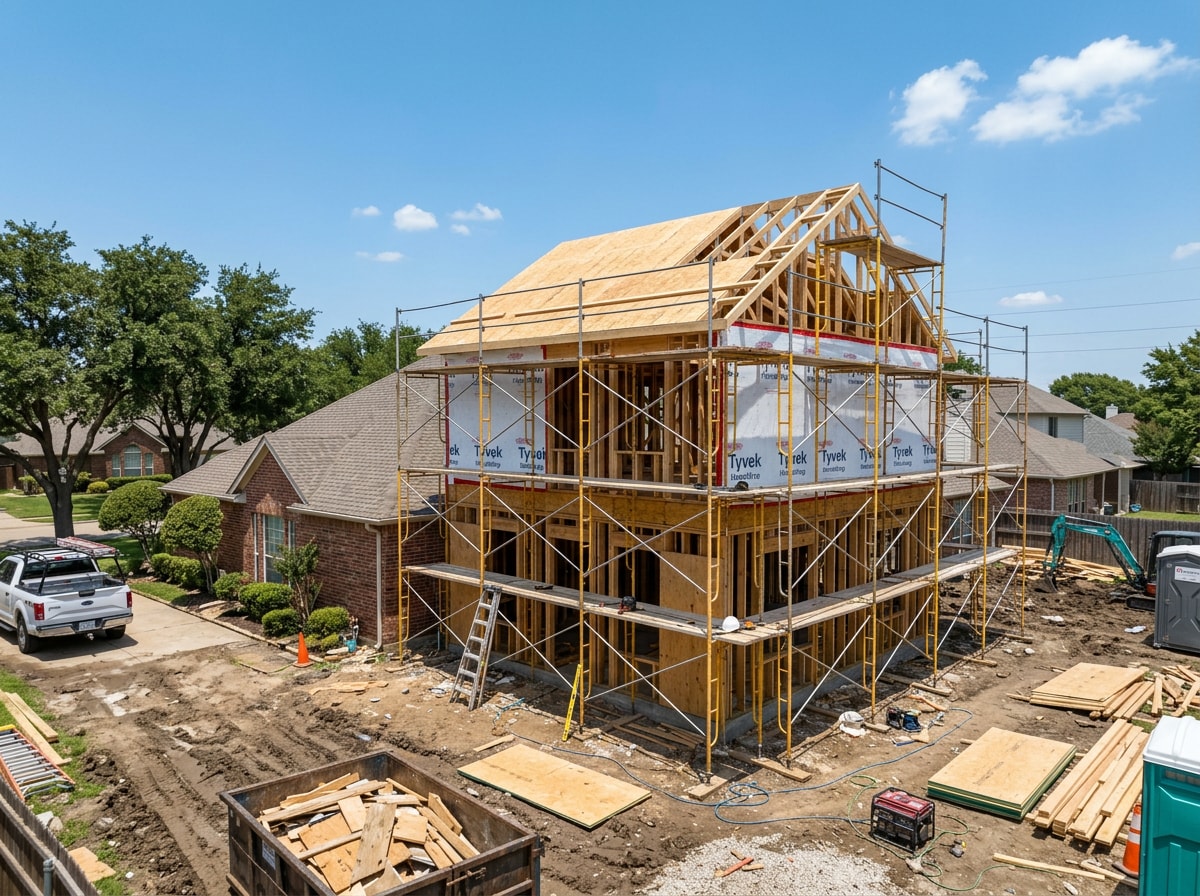
A second-story addition adds living space by building up rather than out, which makes it the strongest option for Frisco's tighter infill lots and established neighborhoods where setbacks limit how far a home can expand.
These builds require a formal structural assessment of the existing foundation and framing before any design work proceeds. Engineers check the load path and footing capacity to confirm the structure can carry the added weight.
Additions must conform to the requirements for new structure, and the work cannot leave the existing building less code-compliant than it was before the addition , which is exactly why that upfront structural review matters. For homeowners weighing resale value, the National Association of Realtors' most recent impact report found that realtors estimate homeowners recoup about 54% of their renovation cost when adding a primary suite , so a second-story build aimed at a primary suite should be sized with that return in mind, not just square footage.
Primary Suite & Garage/Basement Conversions
A garage or basement conversion turns unused space into a home gym, private office, or income-producing unit without changing the home's footprint. These conversions work well for an in-law suite or a detached-feeling accessory space, and plenty of homeowners later rent the finished area.
The difference between a true conversion and a garage that's just been drywalled comes down to three things:
- Insulation rated for living space, not storage
- HVAC extension from the main system or a dedicated mini-split
- Proper egress windows sized for emergency exit
Skip any of those, and the space won't pass inspection or feel like part of the home. For a related project type popular just a few miles away, our guide to back house room additions in Frisco covers ADU-style builds in more detail. Learn more about how we scope these projects on our general contractor services page.
Planning Your Addition: Zoning, HOA Review & Permits in Frisco
Before any design work starts, local rules shape what's buildable. Frisco zoning, HOA approval, and neighborhood design guidelines govern setbacks, maximum lot coverage, and height limits, and nearly every master-planned community in Frisco (Starwood, Phillips Creek Ranch, Newman Village) runs additions through an architectural review committee before the city ever sees the plans.
On the city side, a permit is required for any commercial, residential, sign, fence, or other miscellaneous structure that's erected, constructed, enlarged, altered, repaired, moved, improved, removed, converted, or demolished , and residential additions fall squarely under that rule. Check the City of Frisco's residential permits portal for current submittal checklists before you finalize design drawings.
A few planning notes worth knowing up front:
- HOA architectural review and city permitting run on separate timelines — budget for both
- Review timelines vary by project complexity and how complete your submitted documents are
- Budget planning should start early, since additions touch structure, roofing, exterior finishes, plumbing, HVAC, and electrical all at once
Having built additions across Starwood, Stonebriar, and Frisco's older established neighborhoods, the HOA step is usually what trips up a timeline, not the city permit. Get that submitted first. A home renovation consultation early in the process catches most of these sequencing issues before they cost you weeks.
Typical Planning Ranges by Addition Type
| Addition Type | Typical Timeline* | Best For | Key Planning Consideration |
|---|---|---|---|
| Second-story addition | 4–6 months after permit issuance | Tight infill lots, limited footprint | Full structural assessment of foundation and framing |
| Primary suite / bump-out | 2–4 months | Spa-style bathroom, closet expansion | New exterior wall tie-in and matching roofline |
| Garage or basement conversion | 6–10 weeks | Home office, gym, in-law suite | Egress windows, HVAC extension, code-rated insulation |
*Ranges are general planning estimates. Your exact timeline depends on scope, HOA review speed, and current permit office volume. See our Frisco service area page for local project examples.
Luxury Bathroom Additions in Frisco
Among luxury addition requests, bathroom-focused projects rank near the top. Luxury bathroom remodeling turns a standard builder layout into a spa-caliber retreat, often through a primary suite addition that physically creates room for the upgrade.
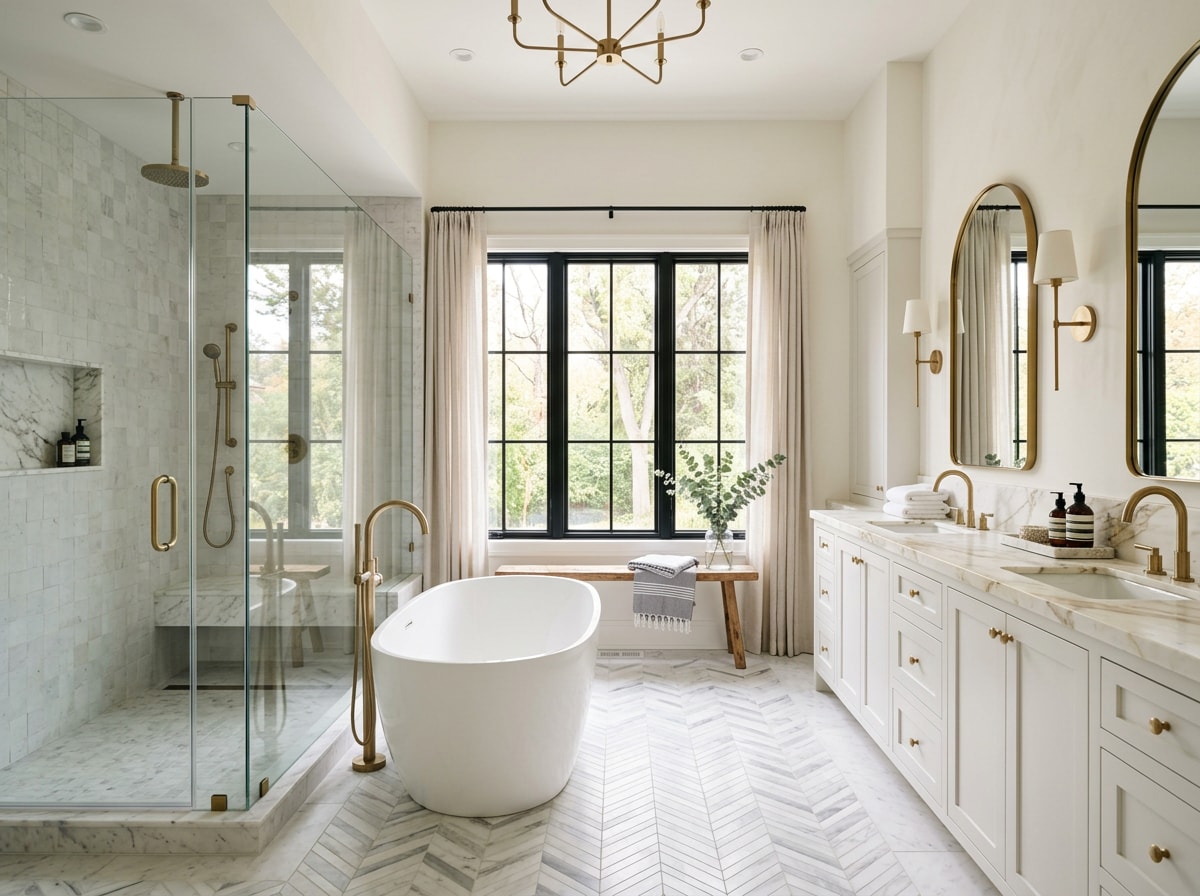
Common features in these builds include:
- Wet rooms and oversized walk-in shower enclosures with frameless glass
- Freestanding soaking tubs with dual vanities
- Heated flooring and layered lighting
- Custom dressing areas built into the addition footprint
The square footage for these layouts almost always comes from a bump-out or addition, not a remodel squeezed into existing walls. If you're converting an existing tub into a walk-in shower as part of the project, see our tub to shower conversions page. For the full scope of spa-style builds, visit our bathroom remodeling page.
Complete Home Remodeling Services in Frisco, TX
A full-service Frisco remodeler typically handles kitchen remodeling, bathroom remodeling, and room additions under one roof, so homeowners aren't juggling separate contractors for a kitchen expansion versus a primary suite build.
Resale value varies significantly by project type. Beyond the 54% primary suite recoup figure noted earlier, upscale kitchen expansions also tend to perform well on resale compared with purely cosmetic upgrades, while garage conversions lean more toward lifestyle value than resale gain. A full-service remodeling partner can help you weigh that tradeoff against your actual goals, not just a generic average.
If a kitchen expansion is part of your plan, our kitchen remodeling page covers layout options, and our full home remodeling page covers whole-house scopes that combine additions with interior updates. You can also browse completed work on our projects page before you commit to a design direction.
Ready to see what's possible on your lot? Get a free estimate and we'll walk the property with you before you spend a dollar on design.
FAQ
How much does a home addition cost in Frisco, TX?
Costs vary widely depending on size, finish level, and structural complexity. A garage conversion runs far less than a second-story addition with a luxury primary suite on top. Get a site-specific estimate from a local contractor rather than relying on national averages, since Frisco labor and material pricing shift with demand.
Do I need a permit to build a home addition in Frisco, TX?
Yes. The City of Frisco requires a permit for virtually any addition, alteration, or enlargement of an existing structure. A reputable contractor manages the permit application and inspections on your behalf, start to finish, including coordinating with your HOA's architectural review if one applies.
Will my addition match the style of my home?
A well-matched addition uses the same rooflines, trim profiles, siding, and window styles as the existing structure, so the result reads as a seamless extension rather than an obvious add-on. This matters even more in Frisco's HOA-governed communities, where architectural review often requires material matching before approval.
How long will my home addition take?
It depends heavily on scope. A garage or basement conversion may take six to ten weeks, a primary suite bump-out two to four months, and a second-story addition closer to four to six months from permit issuance to completion. HOA review, if required, adds time on top of city permitting.
Can you build a second-story addition on my house?
Feasibility depends on your home's existing foundation and framing capacity. A contractor confirms feasibility with a structural assessment and walks you through design options during an initial consultation, before any drawings are finalized.
What adds the most resale value to a luxury home addition?
Realtors estimate a primary suite addition recoups roughly 54% of its cost at resale, with kitchen-related additions performing comparably well. Garage conversions and purely lifestyle-focused spaces tend to add less resale value even though they score high on homeowner satisfaction.
---
About the Author: This guide was reviewed by the project team at OKI General Contractors, a design-build and general contracting firm serving Frisco and the greater Dallas–Fort Worth area, including Plano, McKinney, and Prosper. Our crews have managed second-story and primary suite additions through Frisco's HOA review process firsthand, which is why the planning sequence above reflects what actually slows projects down. Questions about your specific lot? Contact us for a free, no-obligation consultation. Learn more about our full range of services on our homepage.