Finding reliable flat roof contractors in Dallas, TX starts with knowing what's already on your roof and what should replace it. Dallas buildings face intense summer heat, sudden hailstorms, and heavy spring rains that all put extra strain on low-slope roofing systems. This guide breaks down the materials, 2026 pricing, permit rules, and warning signs that actually matter before you sign a contract.
Flat Roofing Materials Dallas Contractors Install
Most Dallas commercial and multi-family properties use one of five flat roofing systems. Each has different installation costs, lifespans, and performance trade-offs in Texas heat, so it's worth understanding the basics before comparing bids.
Built-Up Roofing (BUR)
Built-up roofing, commonly called BUR, is a traditional flat roofing system made of multiple layers of bitumen and reinforcing fabric. The layered construction gives it strong durability, which is why it has remained common on older commercial buildings across Dallas for decades.
BUR systems handle foot traffic and ponding better than some single-layer alternatives. They are heavier and typically take longer to install than newer membrane systems.
Modified Bitumen
Modified bitumen is BUR's modern successor. It combines asphalt with polymer modifiers that improve flexibility and overall performance.
The result is a membrane that holds up well against Dallas's temperature swings, hot afternoons followed by cooler nights, while remaining relatively straightforward to install. Many contractors recommend it as a middle-ground option between traditional BUR and newer single-ply systems.
Single-Ply Membrane Roofs (TPO, PVC, EPDM)
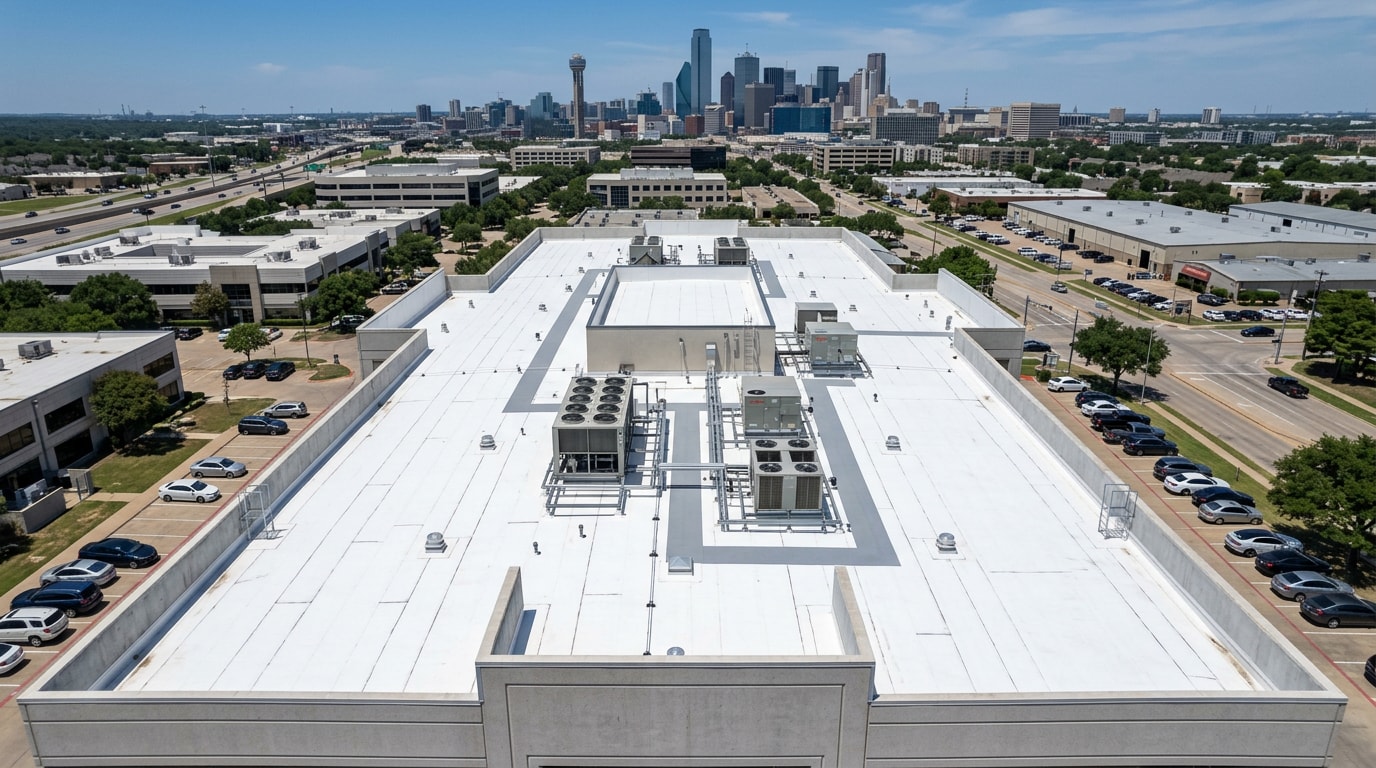
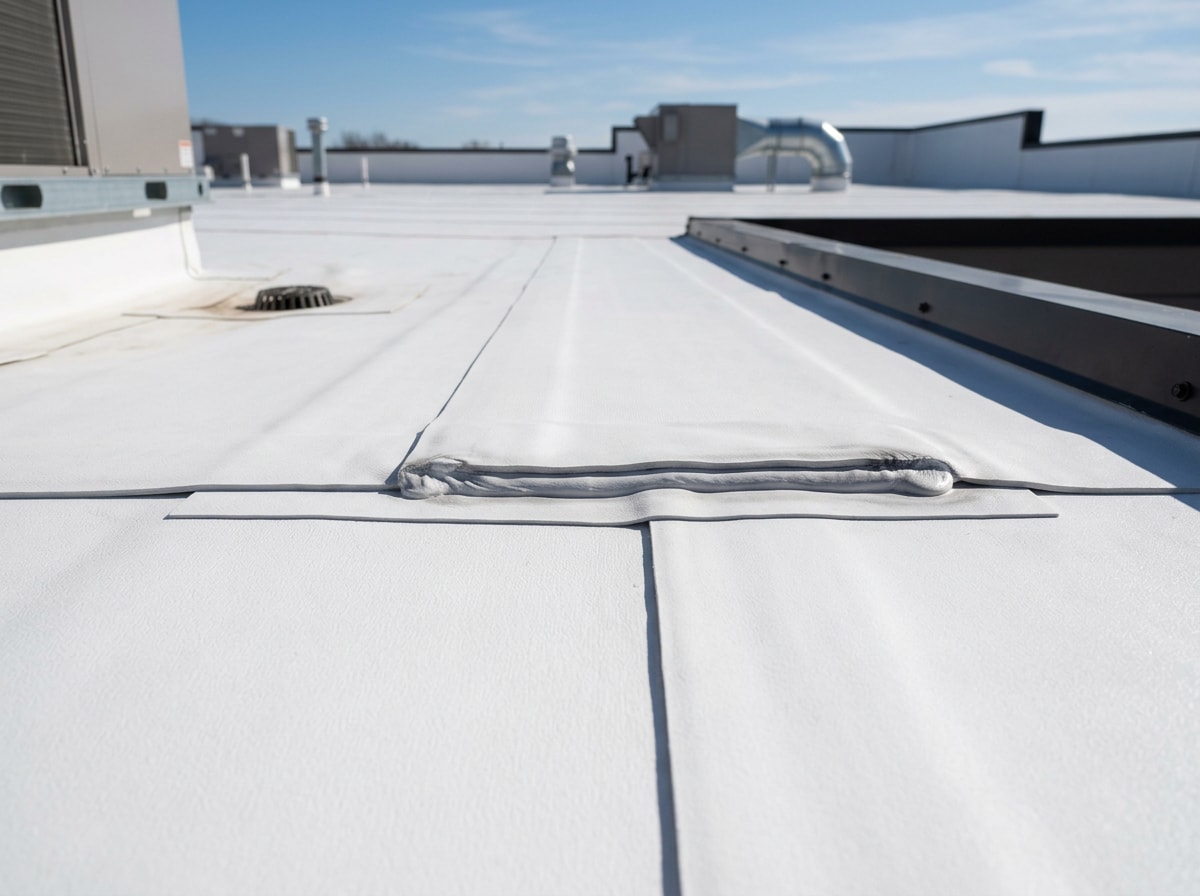
Single-ply membranes like TPO, PVC, and EPDM have become the go-to choice for newer flat roof installations in Dallas. TPO and PVC membranes are lightweight and reflect sunlight rather than absorbing it, which matters in a climate where roof surface temperatures climb fast every summer.
EPDM, a rubber-based membrane, trades reflectivity for exceptional flexibility and a long track record in hot and cold climates alike. On the energy side, a cool roof can reduce air conditioning costs inside a building on a hot day and even cool down the surrounding air , which is a real factor for Dallas property owners trying to control summer utility bills. The U.S. Department of Energy's cool roofs program explains how reflective membranes like TPO are evaluated for that benefit.
2026 Flat Roof Cost Comparison for Dallas, TX
Pricing varies by membrane, roof access, and how much tear-off is needed, but the table below gives a realistic planning range for Dallas in 2026.
| Membrane | Installed Cost (per sq ft) | Expected Lifespan | Best Use Case in Dallas |
|---|---|---|---|
| TPO | $5.50–$9.00 | 15–20 years | Heat-reflective roofs on retail and warehouse buildings |
| PVC | $6.50–$10.00 | 20–25 years | Restaurants or facilities needing grease/chemical resistance |
| EPDM | $6.00–$8.50 | 15–25 years | Buildings needing flexibility through temperature swings |
| Modified Bitumen | $6.00–$9.00 | 15–20 years | Older buildings needing multi-layer protection |
| BUR | $6.00–$8.00 | 20–30 years | Low-maintenance roofs prioritizing long-term durability |
Minor repairs typically run far less than a full tear-off and replacement. Treat these as planning figures, not a quote; actual numbers depend on roof size, drainage corrections, and current material costs.
Browse our roof installation{{SITE_URL}}/services/roofing-contractor/roof-installation) and roof replacement pages for a closer look at how each project type is scoped, or get a free estimate for pricing specific to your building.
Signs You Need Flat Roof Repair vs. Replacement
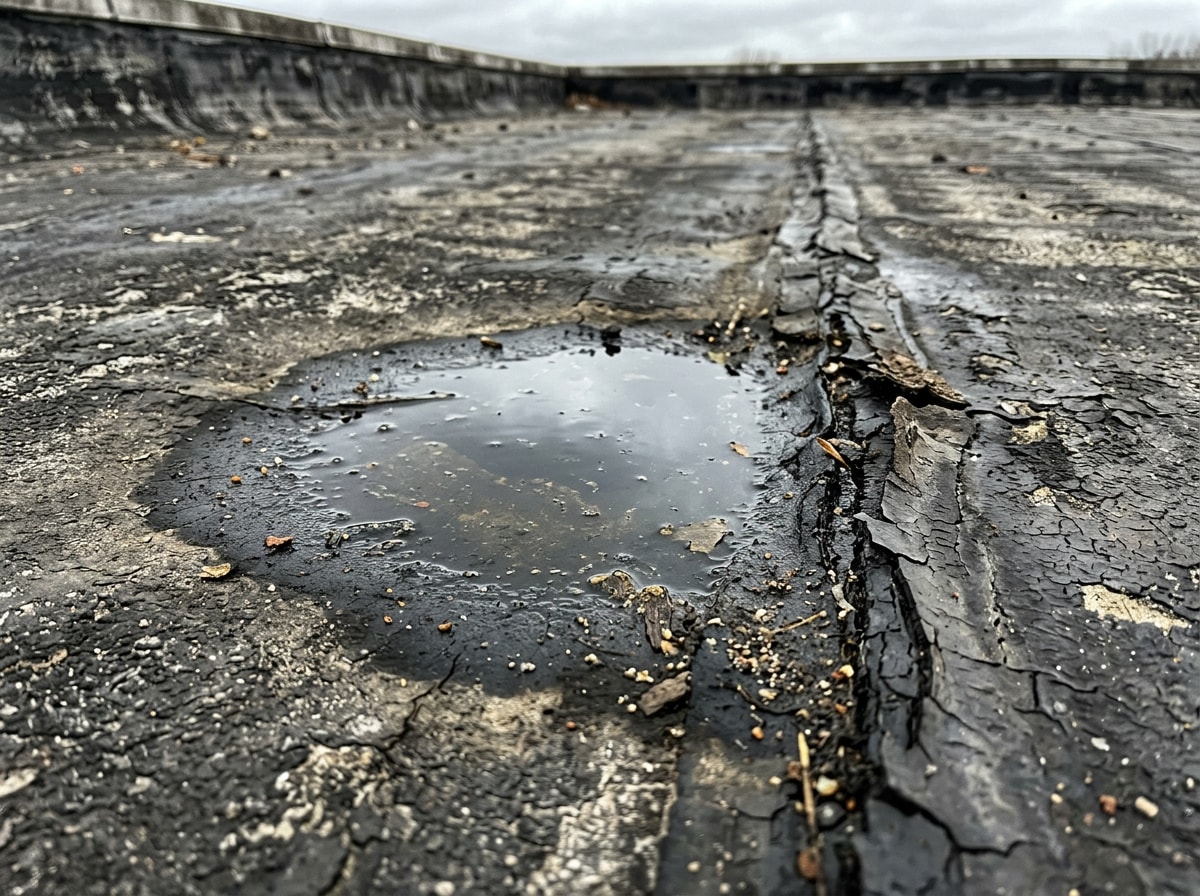
The clearest signs a flat roof needs attention are recurring leaks or interior water stains, ponding water that doesn't drain within 48 hours, cracked or deteriorated seams, blisters or bubbles in the membrane, and damaged flashing around roof edges or equipment.
Catching these early usually means a targeted repair is enough. A proper roof inspection includes a visual walk of the roof surface, moisture evaluation, and a review of flashing and drainage systems. In our own inspections across North Texas properties, the single biggest predictor of a future leak isn't the membrane's age, it's whether water is sitting in the same low spot after every storm.
Ponding water deserves particular attention. Ponding water for short durations is unavoidable and considered acceptable by NRCA and membrane roof system manufacturers, but ponding water in excess of 48 hours can be detrimental to the roof assembly.
The NRCA Roofing Manual states the criterion for judging proper slope for drainage is that there be no ponding water on the roof 48 hours after a rain during conditions conducive to drying. You can review the full technical explanation on NRCA's Professional Roofing publication.
When damage is widespread, flashing has failed in multiple spots, or the membrane is past its rated lifespan, full replacement typically becomes the more cost-effective long-term option. If a leak needs attention today, our emergency roof repair team can respond before minor damage turns into a structural problem, and our roof repair page outlines what a standard repair visit looks like.
Why Flat Roofs Make Sense for Dallas Buildings
Flat roofs aren't just a budget decision. They offer practical advantages pitched roofs can't match on commercial and industrial buildings.
- Usable rooftop space for HVAC equipment, solar arrays, or rooftop amenities instead of wasted sloped area.
- Lower installation cost on large buildings, since there's less structural framing and simpler material logistics.
- Easier access for routine maintenance, drainage checks, and equipment servicing.
- Faster install timelines on big commercial footprints compared to complex pitched systems.
Permits and Local Requirements for Flat Roof Replacement in Dallas
Dallas treats roofing as regulated construction work, not a cosmetic project. A person, firm, or corporation may not erect, construct, enlarge, add to, alter, repair, replace, improve, remove, install, convert, equip, use, occupy, or maintain a structure or building service equipment without first obtaining a permit from the building official. For most flat roof replacements, that means a permit is required before work starts.
A contractor, owner, or their agent may apply for the permit, but a registered contractor is required on the application for the permit to be issued. That's one more reason to confirm a contractor's registration status before signing a contract, not after the crew shows up. You can review current requirements directly through the City of Dallas Building Inspection Division.
Larger commercial re-roofs on mixed-use or multi-building properties sometimes overlap with drainage, grading, or site work that falls outside roofing scope entirely. If your project touches those areas, our guide to civil works contracting in Dallas, TX walks through what's typically included and how that work gets coordinated with a roofing timeline.
What to Expect From a Professional Flat Roof Installation
A proper roofing project doesn't end when the last seam is welded. Reputable contractors complete punch-list items, provide full documentation and warranty paperwork, and offer maintenance plans designed to protect the roof after the crew leaves.
That maintenance step matters more than most property owners realize. Regular check-ins catch small issues, a lifted flashing edge, a clogged drain, before they turn into leaks.
Before hiring, ask any bidding contractor to walk you through:
- Which membrane they recommend for your building type and why.
- Whether their bid includes tear-off, deck repair, and new flashing, or those are add-ons.
- Who pulls the city permit and confirms registration with Dallas Building Inspection.
- What warranty coverage applies to materials versus workmanship.
- How they'll keep the building operational during install.
Why Choose OKI General Contractors for Flat Roof Work in Dallas
Not every roofing company understands what North Texas weather does to a flat roof. A crew that's worked on hundreds of Dallas-area roofs knows which membranes hold up against summer heat and which drainage details prevent callbacks later.
We're based in the Dallas–Fort Worth metroplex and work directly with property owners across Dallas, Frisco, Plano, Allen, McKinney, Prosper, and The Colony. You can see examples of completed roofing and general contracting work on our projects page, or visit our homepage to learn more about our full range of services.
Ready to compare options for your building? Get a free estimate and we'll walk the roof, document what we find, and give you a straightforward recommendation, not just a sales pitch.
FAQ
What is the best flat roof material for Dallas, TX?
There's no single best material for every building. TPO and PVC are popular for heat reflection and energy savings, EPDM for flexibility through temperature swings, and BUR for long-term durability with minimal maintenance. The right choice depends on your building type, budget, and how the roof is used.
How much does flat roof replacement cost in Dallas?
Installed flat roof replacement in Dallas generally runs $6 to $9 per square foot depending on the membrane, with BUR and EPDM on the lower end and PVC on the higher end. Tear-off, deck repair, and drainage corrections can add to the total.
How much does flat roof repair cost in Dallas, TX?
Minor flat roof repairs typically range from $300 to $1,500, depending on the extent of damage and membrane type. Larger repairs involving flashing or widespread leaks cost more. Request a free roof estimate for pricing specific to your building.
How long does a flat roof last in Texas heat?
Lifespan depends heavily on the membrane and maintenance. TPO and modified bitumen typically last 15 to 20 years, EPDM can reach 15 to 25 years, and BUR often lasts 20 to 30 years with proper upkeep and regular drainage checks.
Do flat roof replacements require a permit in Dallas, TX?
Yes. The City of Dallas requires a permit from the building official for most construction, alteration, or replacement work, including roofing. A registered contractor is required on the permit application before it can be issued.
How can I tell if my flat roof needs repair or full replacement?
Isolated leaks, a few cracked seams, or minor flashing damage usually point to a repair. Widespread ponding, multiple failed seams, or a membrane past its rated lifespan usually point to replacement. A professional roof inspection is the fastest way to know which situation you're in.