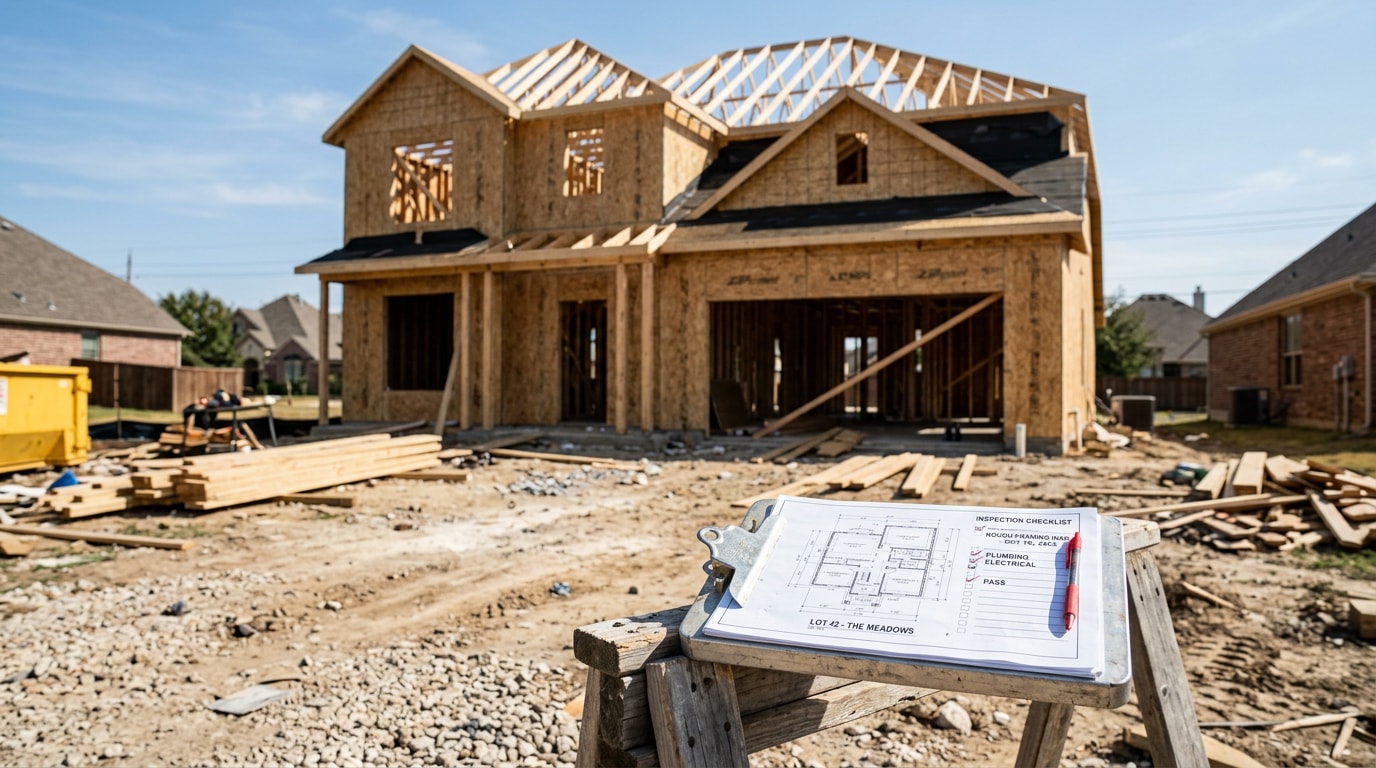
A clerk of the works in The Colony, TX is an independent inspector who checks that your builder's work actually matches the approved plans, specs, and code, before problems get buried under drywall. If you're spending six or seven figures on new construction, a storm rebuild, or a major remodel in Denton County, that independent set of eyes is often the difference between catching a framing error for $400 and tearing out finished walls for $14,000. Here's what the role covers, what it costs, and how to tell if your project needs one.
What Is a Clerk of the Works?
A clerk of the works is a construction professional responsible for making sure work performed on a job site matches the specifications and plans agreed upon by the client and contractor. A Clerk of Works, also known as a site inspector or construction inspector in some regions, is a professional responsible for ensuring that work carried out on a construction project adheres to the specifications and plans agreed upon by the client and contractor.
The title traces back further than most people expect. The job title is believed to derive from the 13th century when monks and priests, i.e. "clerics" or "clerks," were accepted as being more literate than the builders of the age and took on the responsibility of supervising the works. The function hasn't changed much since.
A clerk of the works is not the same as a general contractor or a construction manager. Those roles run the project, hire trades, and carry schedule and budget risk. A clerk of the works, by contrast, works for the client's interests and has no financial stake in the build moving faster or cheaper. The role, to this day, is based on the impartiality of the clerk of works in ensuring that value for money for the client, rather than the contractor, is achieved through rigorous and detailed inspection of materials and workmanship throughout the building process.
That independence is the whole point. A contractor's superintendent answers to the contractor. A clerk of the works answers to you.
Clerk of the Works vs. General Contractor vs. Construction Manager
Property owners mix these three up constantly, so here's the quick comparison.
| Role | Who They Work For | Main Focus | Can They Direct the Crew? |
|---|---|---|---|
| Clerk of the Works | Owner, architect, or insurer | Quality, compliance, documentation | No, they report and flag issues |
| General Contractor | Themselves (contracted by owner) | Scheduling, labor, materials, budget | Yes, they run the crew directly |
| Construction Manager | Owner (as advisor or at-risk) | Overall project delivery and cost | Yes, with full authority over trades |
The Clerk of Works acts as the eyes and ears of the architect or owner on site, checking materials and workmanship, but generally does not have the authority to issue instructions varying the works. That's the line: they catch and report, they don't redirect the crew mid-task.
What Does a Clerk of the Works Do on a Colony, TX Job Site?
The role is less about paperwork and more about presence. A clerk of the works spends real time on site, comparing what's being built against what was approved, and flagging anything that doesn't line up before it becomes expensive.
Core Duties
- Quality assurance – checking that work meets required standards through regular inspections
- Compliance monitoring – verifying the project follows building codes, regulations, and contract terms
- Documentation – keeping detailed, dated records of construction activity and site conditions
- Problem resolution – catching discrepancies and raising them before the next phase covers them up
Specific responsibilities include performing regular site inspections to confirm work matches contract documents and codes, monitoring workmanship and quality to identify defects, and ensuring the project complies with all relevant building codes, regulations, and permits.
Inspection & Reporting
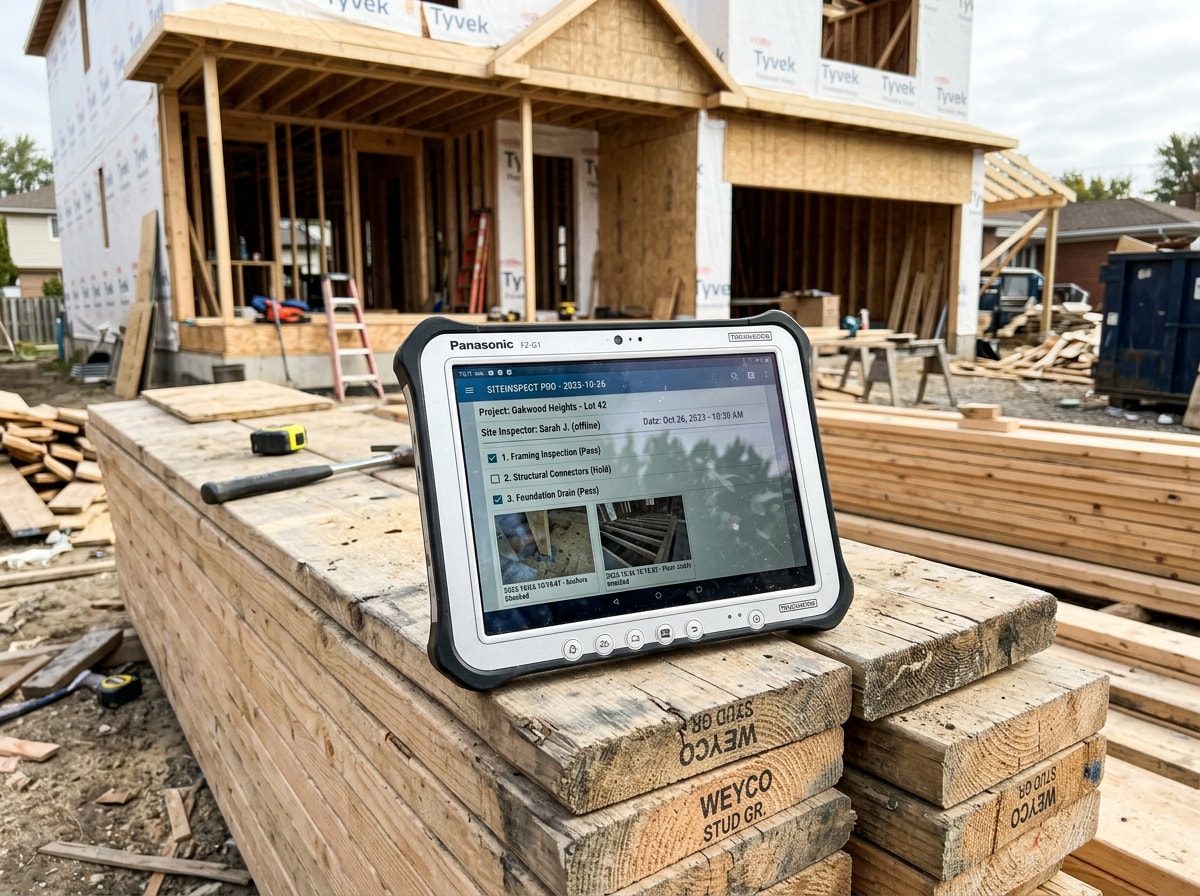
The reporting side matters just as much as the walkthrough. A clerk of works report documents observations, findings, and recommendations from each site visit, typically prepared for the client so they stay informed on progress, quality, and any emerging issues.
On active DFW-area jobs today, this usually means digital daily logs and photo-timestamped reports rather than loose paper notes. That gives property owners a searchable record if a dispute comes up later. When we've staffed oversight on Denton County storm rebuilds, the single biggest save has been catching undocumented material substitutions before drywall goes up, since that's the point at which a disagreement over what was actually installed becomes nearly impossible to resolve without opening the wall back up.
Why Hire a Clerk of the Works for Your Colony, TX Project?
Quality Assurance & Cost Savings
The primary value of a clerk of the works is protecting construction quality before it's locked in behind the next phase. Spotting a framing error before drywall goes up is far cheaper than discovering it during a post-construction dispute or, worse, after the final walkthrough.
Compliance, Safety & Risk Management
Texas doesn't run one statewide building code. The Texas Legislature grants adoption authority primarily to municipalities and counties, which means the operative code in any given jurisdiction is a local enactment rather than a single statewide document, and the state does not mandate a single uniform building code for general construction. That means the code enforced in The Colony can differ from Frisco or Plano just a few miles away.
This is a moving target, too. Texas has been strengthening building safety and resilience with the adoption of updated building codes, including the 2024 International Mechanical Code, 2024 International Fuel Gas Code, and 2024 International Residential Code. A clerk of the works tracks which version of the code applies to your specific jurisdiction and confirms the build matches it, rather than leaving that discovery for a failed city inspection.
Job site safety practices also fall under federal rules that a clerk of the works should know cold. The most critical set of standards for construction safety falls under 29 CFR 1926, which covers safety regulations from scaffolding and fall protection to electrical systems and trenching. You can review the source standards directly on OSHA's construction industry page.
What a Clerk of the Works Oversight Engagement Includes
A typical engagement monitors:
- Work progress against the approved schedule
- Construction quality and workmanship
- Compliance with the approved scope and drawings
- Material installation and any substitutions
- Contractor performance and subcontractor coordination
- Project documentation, photos, and daily logs
- Deviations or deficiencies as they surface
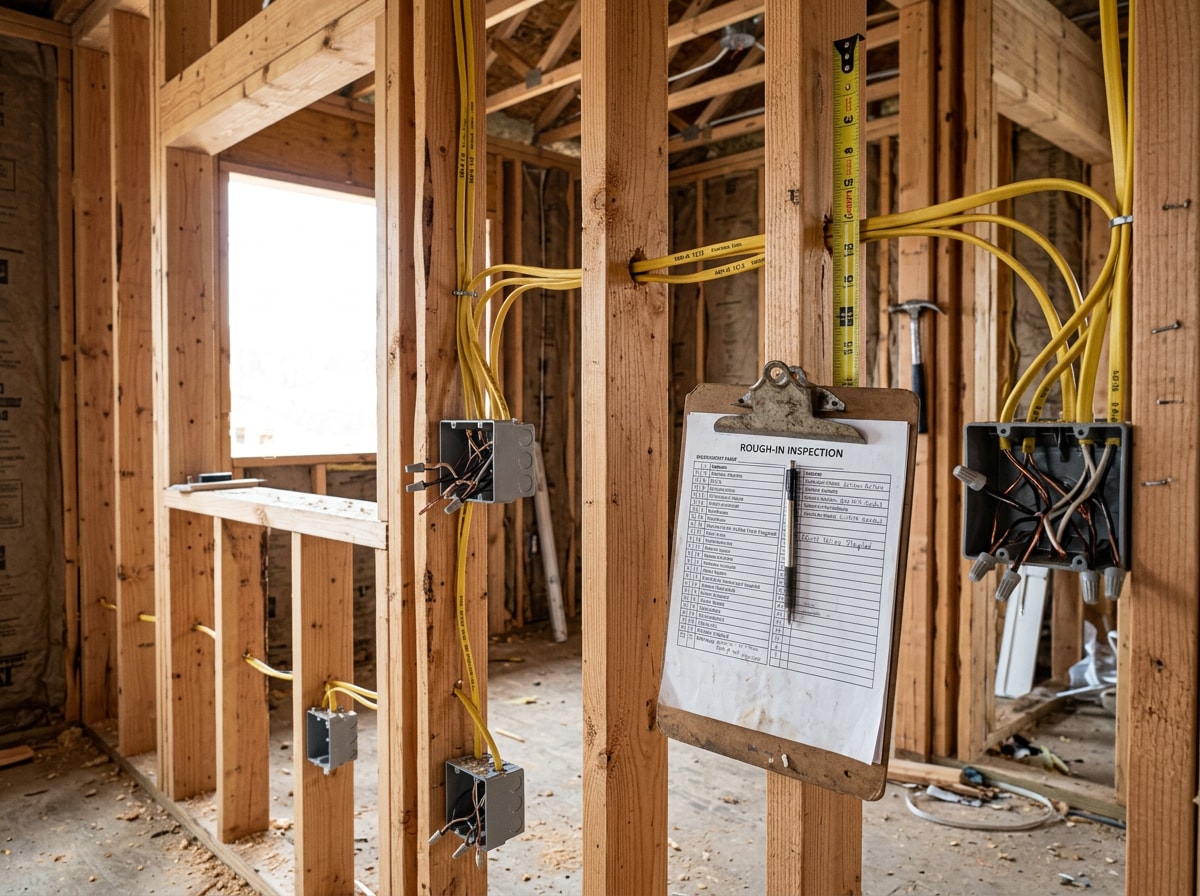
Picture a residential rebuild after storm damage in Denton County. The clerk confirms framing matches the approved plan. They verify insulation and electrical rough-in happen in the correct sequence. They document any material substitutions before they're covered by drywall. That record gives property owners and insurers a clear, time-stamped history of how the work actually unfolded, not just what the final invoice claims.
Who Needs a Clerk of the Works in The Colony & DFW?
Clerk of the works services generally support insurance carriers, independent and staff adjusters, attorneys, property owners, commercial property managers, developers, and general contractors who want a second, independent set of eyes.
In a fast-growing market like Denton County, property owners and insurance carriers request this service most often, particularly on rebuilds following storm or water damage. If you're coordinating a larger renovation and want that oversight built into the process from day one, a home renovation consultation is a good starting point before work begins.
We provide this same oversight model across the metro, not just in The Colony, TX, but also in neighboring Frisco, TX, Plano, TX, and Dallas, TX.
Hiring a Clerk of the Works: A Quick Checklist
Before you sign an agreement, confirm the following:
- Independence – they're paid by you or your insurer, not the builder
- Reporting cadence – daily logs, weekly summaries, or both, agreed to in writing
- Scope – which phases they're covering (framing, MEP rough-in, final closeout, or all three)
- Code knowledge – familiarity with the specific jurisdiction's adopted code, since Denton County cities don't all enforce the same version
- Documentation format – photo-timestamped digital reports, not handwritten notes that can go missing
If you're planning new construction or a full renovation and want this oversight folded into the project from the start, our general contractor services team can walk through where it fits. For homeowners specifically exploring barndominium-style builds in this market, our guide to barndominium builders near The Colony, TX covers pricing ranges worth reviewing alongside oversight costs.
You can see examples of completed work on our projects page, and the OKI General Contractors homepage has an overview of every service we run across North Texas.
Ready to talk through oversight for your specific job? Get a Free Estimate and we'll walk you through what a clerk of the works engagement would look like for your project and timeline.
FAQ
What services can a clerk of the works assist with?
A clerk of the works can assist with damage assessments, remediation consulting, replacement cost assessments, time element analysis, code upgrade analysis, and general construction audits, among other related consulting services.
What's the difference between a clerk of the works and a construction manager?
A construction manager runs the project and directs the trades. A clerk of the works has no authority to direct work; they inspect, document, and report issues to the owner or architect. The construction manager carries schedule and budget risk. The clerk of the works does not.
Is hiring a clerk of the works worth the cost?
On smaller cosmetic remodels, usually not. On new construction, storm rebuilds, or any project where an insurer is involved, the independent documentation typically pays for itself the first time it prevents a disputed change order or catches a code issue before a failed inspection.
Can a clerk of the works be involved in post-construction activities, such as final inspections and closeout?
Yes. They typically focus on cost and timeliness during closeout rather than re-evaluating the quality or correctness of finished work they already signed off on during earlier phases.
How does a clerk of the works monitor and document construction progress?
They usually visit the site on a set schedule to confirm the right crews are completing the current phase, such as framing before insulation, then electrical and plumbing rough-in, before anything gets covered by wallboard.
Does a clerk of the works provide regular reports to the owner?
Typically, yes. Reports often go to the insurance carrier when one is involved, but they commonly go directly to the property owner or developer too, depending on who engaged the clerk of the works.